Author: Redazione

Christmas Home decorations

Christmas Home decorations

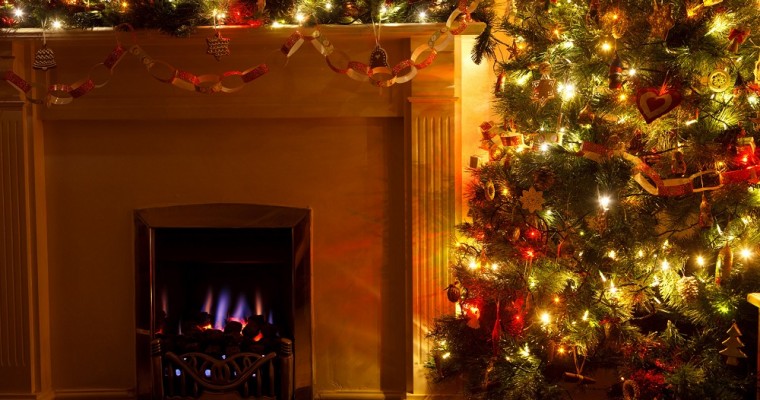
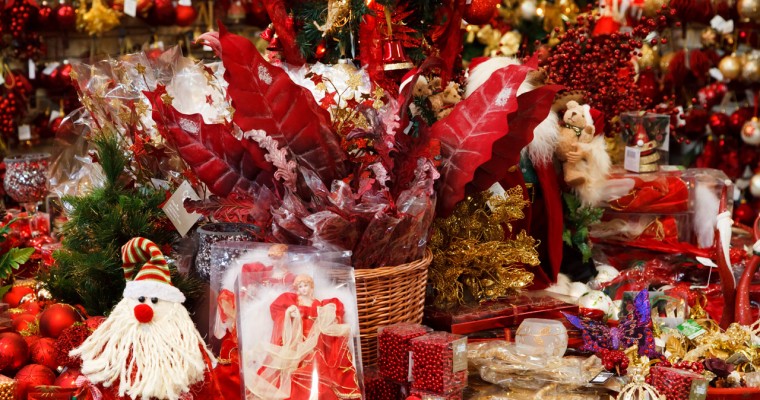
The Christmas spirit is unique and indescribable. It slowly seeps into houses, spreading around like a nice perfume, a past scent that reminds you of comforting memories and a golden, unforgettable childhood. Maybe in contrast to the outside cold, a new heat spreads around inside…
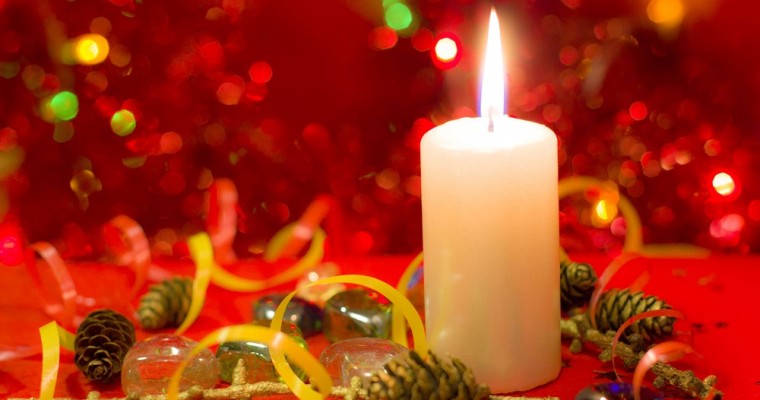
Christmas Candles: Christmas scents in your home

Christmas Candles: Christmas scents in your home

What would Christmas be without the subtle, magic atmosphere that only festive candles can create? The whole house seems to be lit with pulsating lights that emit a lovely heat, making you feel united and closer together! Christmas candles are refined compliments suitable for all…

Animated Scenes – Shepherds

Animated Scenes – Shepherds

The nativity scene has an ancient tradition that is renewed every year in homes and churches all over the world. This charming custom would be difficult to give up, as it remind us of childhood Christmases and the magnificent appearance of all these unique and unmistakable characters. Every year they are taken out of their box in the cellar, and as if by magic, they soon come to life before our very eyes, in the scenery of the silver stars, musk, white pebbles, wood and foil rivers.

The Neapolitan nativity, one of the most famous and classic scenes in our culture, has boasted of depicting not only the majestic birth of baby Jesus since the antiquity, but has always carefully and attentively dwelled on agricultural life in its depiction of everyday people and typical jobs of yesterday and today.

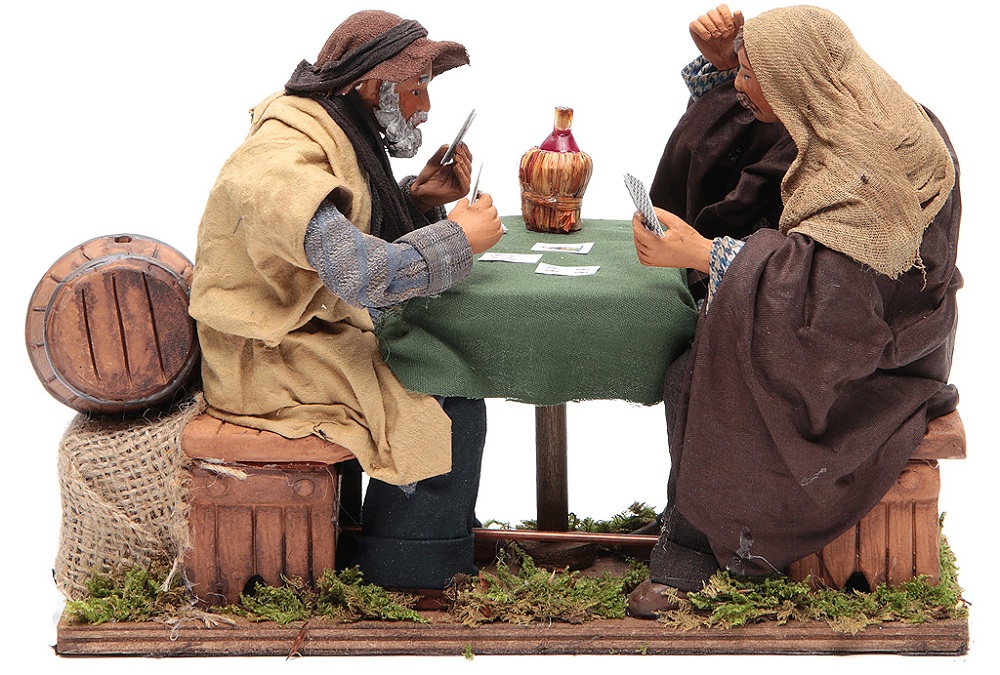
In time, this focus on realism and costume-making has recently evolved into the creation of moving nativity scenes. The terracotta figures, dressed in velvet and braids but also more humble and more realistic fabrics, come to life thanks to the motorised system hidden within the art, which repeat the old movements of their profession.

We have, therefore, women that scrub the door, farmers that hoe the garden or feed the animals, old gossiping next-door neighbours that throw seeds to the chickens, fruit pickers, pork roasters with their roasters, and so on.

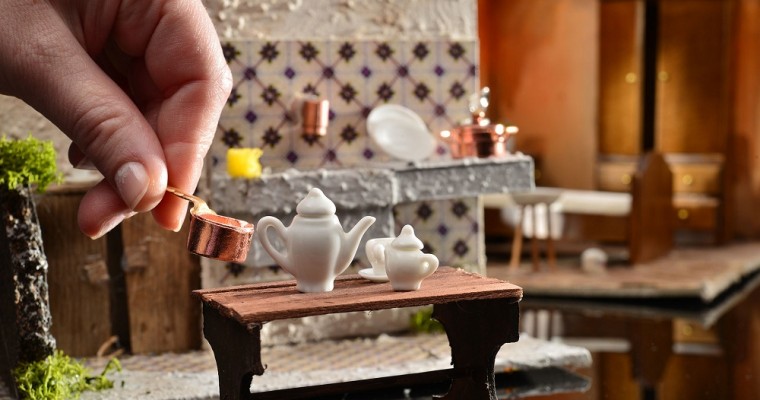
An infinitely small yet realistic world, wrapped up in ancient, timeless splendour, whose background and lights take on an even more magical charm. The moving nativity statues are all handmade, which makes them unique, collectable pieces.

Shepherds are particularly consecrated in the moving nativity, like the old shepherd who carries a rabbit in his arms or the one who moves his grain with his herd, the shepherd who brings the donkey or the one that guides the cow, or the milkmaid that shaves the sheep or even the one who milks the goat. Many characters from a forgotten time come to life in this timeless frame of the nativity.


10 decorations for your Christmas tree

10 decorations for your Christmas tree

The summer seemed to be over in the blink of an eye, and it is weird to think about Christmas already. Yet, as autumn turns the leaves gold and the first cold invites you to get out your warmer, softer, cozier clothes, while the sunset…

DIY Nativity: create your own small masterpiece

DIY Nativity: create your own small masterpiece

The tradition of the nativity scene has always been very strong in Italy. Nativities made of every material and size enrich Italian homes, small and large churches, and all places where the Christmas spirit lingers and spreads. In recent years, this tradition has taken on…

The Christmas items to rediscover the value of communion and the spirituality of Christmas

The Christmas items to rediscover the value of communion and the spirituality of Christmas

Christmas is perhaps the most heartfelt and celebrated occasion by Christians around the world. It is especially due to its religious significance, the perpetual renewal of the immense mystery of the incarnation of God becoming man, of his miraculous birth, a prelude to eternal salvation for all men.

Christmas, however, conquers even the most lukewarm believers with its atmosphere, as if there’s really a beneficial aura that descends among men during this period, with a heap of hope and almost magical harmony.

Perhaps it is also due to the Christmas items that adorn houses, churches, and even shop windows. There is also nativity scenes, representations of the nativity, and of course, Christmas decorations for the home, Christmas decorations for the tree, Christmas candles, statues of the baby Jesus and the Holy Family.

The world changes its face at Christmas; it changes the very air that you breathe in houses.

Above all, the tradition of the manger is widespread in our country in all its forms: from the more classic (stone manger, Neapolitan manger, terracotta manger, crib olive tree in Jerusalem), to the more modern (resin manger, modern stylised manger).

And do not forget the Christmas lights, of course, external or internal, on trees or balconies, with colourful and pulsating lights that illuminate the celebration and help to create an enchanted, suspended atmosphere.

Even more than that, there is the gifts to be exchanged under the tree, however with an eye to the true meaning of Christmas, too often forgotten in favour of arid consumerism. Christmas books with so many wonderful stories for children, Christmas images, pop ups, magnets, calendars, games, DVDs and CDs of Christmas music with Christmas stories, Christmas holy picture. There are many gift ideas to make this a very special celebration and rediscover together the value of communion and spirituality.

Clergy shirts

Clergy shirts

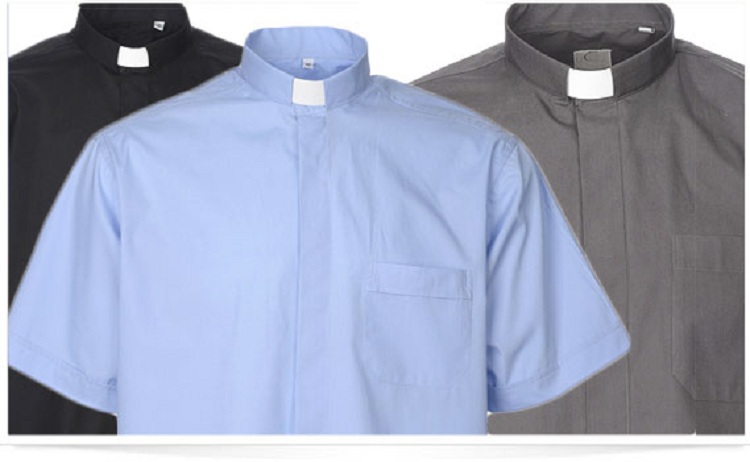
With the term clergy we generally define the religious suits consisting of trousers, shirt and black or gray jacket, worn by priests outside of the celebrations. More in particular, however, the definition is referred to the typical clergy shirt, which characterizes unequivocally this attire. The…

Padre Pio statues

Padre Pio statues

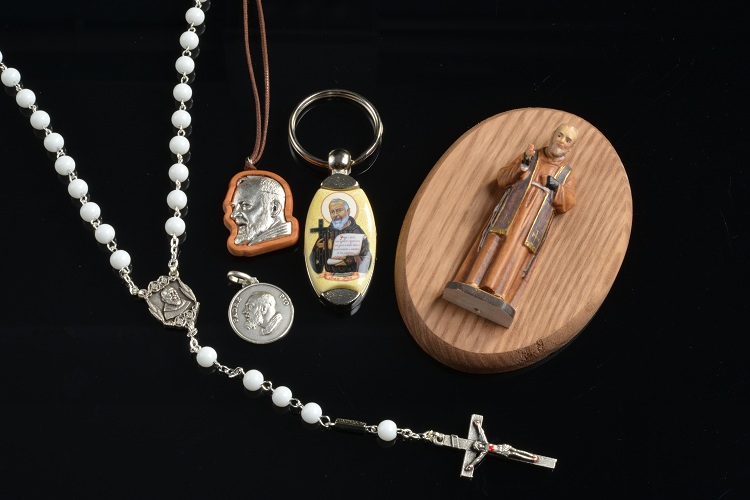
The sort devotion around the figure of Pio of Pietrelcina, better known by the faithful as Padre Pio, exceeds in dissemination and ardor that dedicated to many other saints and famous historic holy. This affection and enthusiasm come from the same religious character of Pietrelcina,…

Metal pyxes

Metal pyxes

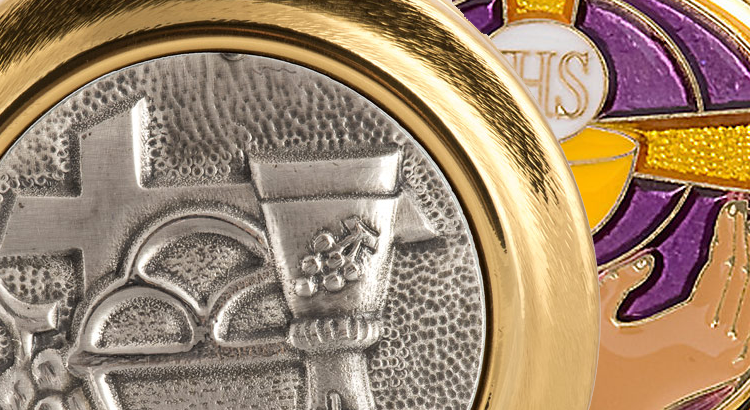
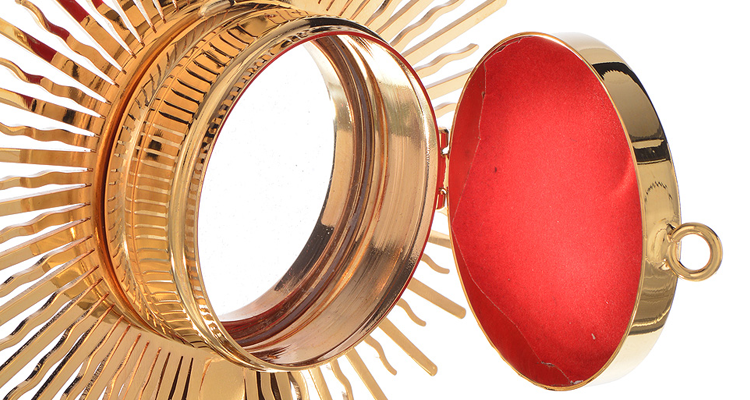
Metal pyxes are containers designed to enclose the consecrated hosts.

The Eucharistic pyxes are usually made of enamel plate, pewter, silver plate, gold-plated brass, aluminum, but can also have inserts of other metals, or glass, or even be in olive wood.

They are small size containers, sometimes contained in turn in suitable bags or matching burses. In most cases and in many aspects, metal pyxes can be assimilated to monstrances, although do not allow what is the main purpose of the monstrance, that is to expose the Blessed Sacrament.

They are very practical and functional to transport the consecrated hosts. The solemn nature of the metal pyxes is emphasized by the decorations with which they are often ornate: sacred images, depictions of Christ on the Cross, or as the Good Shepherd, the Evangelists, Fish, Lamb, olive tree, the symbol JHS.

Often metal pyxes are finely chiseled, knurled or even enameled in bright colors. They can be decorated with bas-reliefs depicting sacred symbols, or even portraits of Christ, the Pope, and so on.

In other cases, metal pyxes are equipped with a pivot that allows you to place them on a basis, to transform them into real monstrances, ready for the exposition and the blessing of the Blessed Sacrament. Alternatively, can be placed on a base for monstrance to achieve the same effect.

The display cases can have a ring to be comfortably worn around the neck. Metal pyxes can be made of gold casting, silver or mixed and decorated with ornamental stones. There are also display cases-monstrance which are a hybrid between the two church goods.

Our Lady of Mount Carmel

Our Lady of Mount Carmel

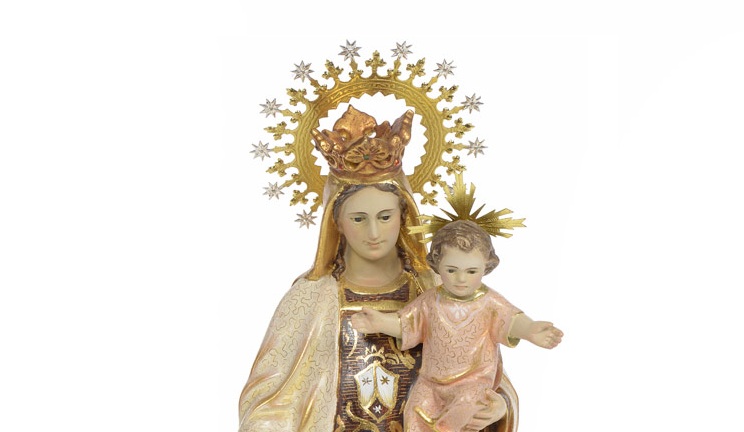
Our Lady of Mount Carmel (or of Carmine) is one of the oldest and most beloved forms of worship to Christians. It is celebrated on July 16th, when, in 1251, Our Lady of Mount Carmel would have appeared to the English priest Simon Stock, then…

Monstrance stand

Monstrance stand

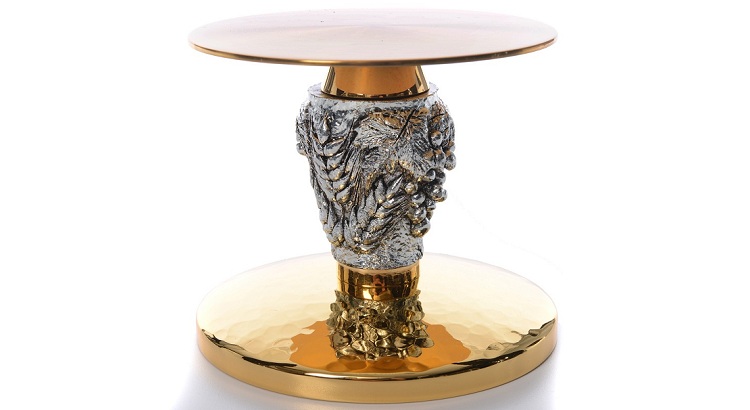
The monstrance stand is a shelf upon which the monstrance is placed. The monstrance is the sacred container used for the exposition of the Blessed Sacrament to the faithful. Such exposure takes place during worship and Eucharistic blessing. The very name of this furniture fully…

Our Lady of Fatima

Our Lady of Fatima

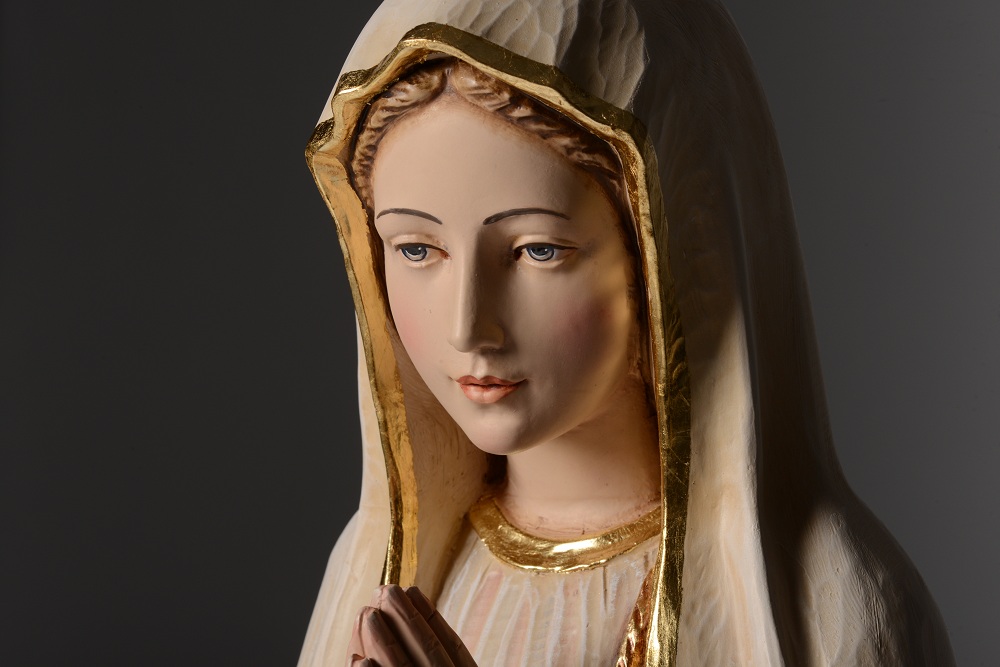
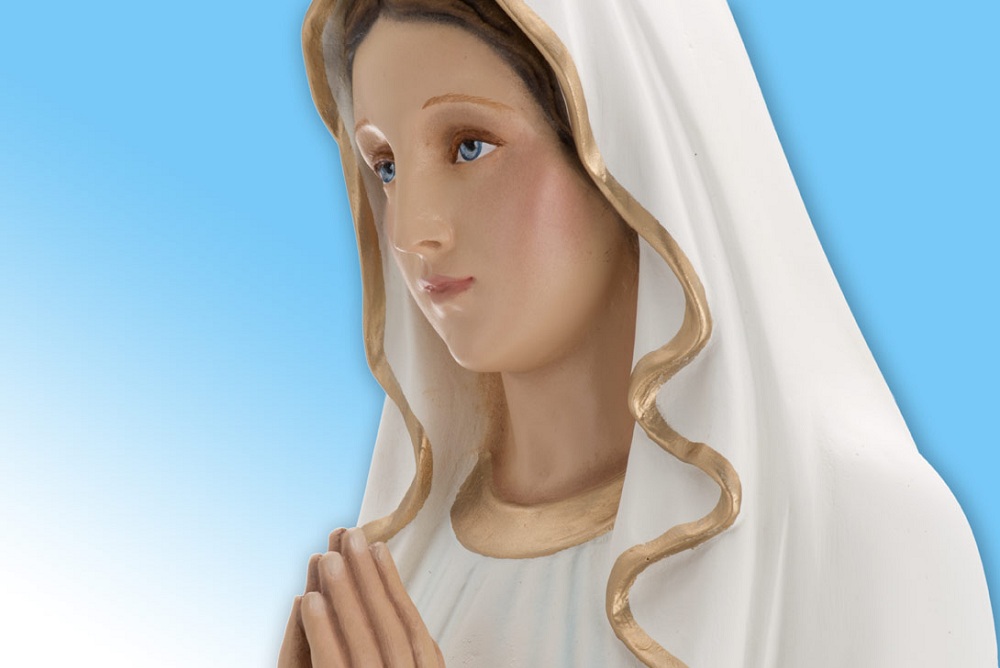
Our Lady of Fátima, or Our Lady of the Holy Rosary of Fátima (Nossa Senhora de Fátima), is one of the names by which Mary, mother of Jesus is known and adored around the world.

It derives from the Portuguese town of Fatima, where in the early ‘900 some of the most famous Marian apparitions took place. On May 13th 1917, the siblings Francisco and Jacinta Marto, aged 9 and 7 respectively, with their cousin Lucia Dos Santos of 10 years, reported that they had seen a cloud gliding next to the place where the cattle was grazing, and inside the cloud the figure of a woman dressed in white who bore in her hand a rosary, appeared. They understood right away that they had in front of them the Madonna, who addressed them politely.

Our Lady of Fatima asked them to go back to that place in the following months, always on the 13th day. At those meetings, Our Lady of Fatima revealed startling facts to the children who were to take place, as the end of the First World War and the threat of a second war even more terrible.

Other revelations concerned the political order of the world, the advent of Communist Russia, against which only the Pope and the joined clergy could have put a brake. Our Lady of Fatima also announced a miraculous event that would take place on October 13th, 1917. Many thousands of faithfuls and many skeptics came to the place indicated by the shepherds and witnessed what has become known as the “miracle of the sun“. That day it was raining, but suddenly the rain stopped and the thick clouds parted, revealing the sun, which began to spin on itself, changing color and size, getting bigger and bigger, as if it was falling.

The message of Our Lady of Fatima is a call to repentance and prayer, love and trust in God.
In 1930, the Catholic Church recognized the supernatural nature of the apparitions of Our Lady of Fatima and authorized the cult. In honor of Our Lady of Fatima it was erected a sanctuary, still the destination of pilgrimage by faithful from around the world.

If you are interested in buying a statue of Our Lady of Fatima, on Holyart you can find it in different sizes and materials.

Holy Family statue

Holy Family statue

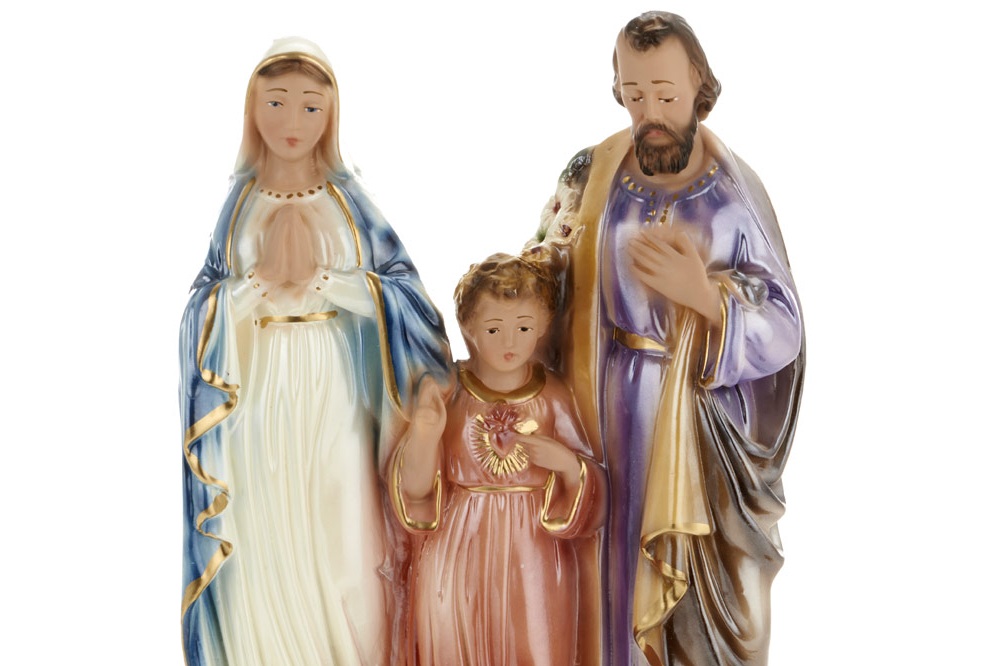
With Holy Family we commonly define the family of Jesus, Mary and St. Joseph. It is also known as the Family of Nazareth, after the city where they lived. The Holy Family has provided since the beginning of the church the model to which every…

Lecterns

Lecterns

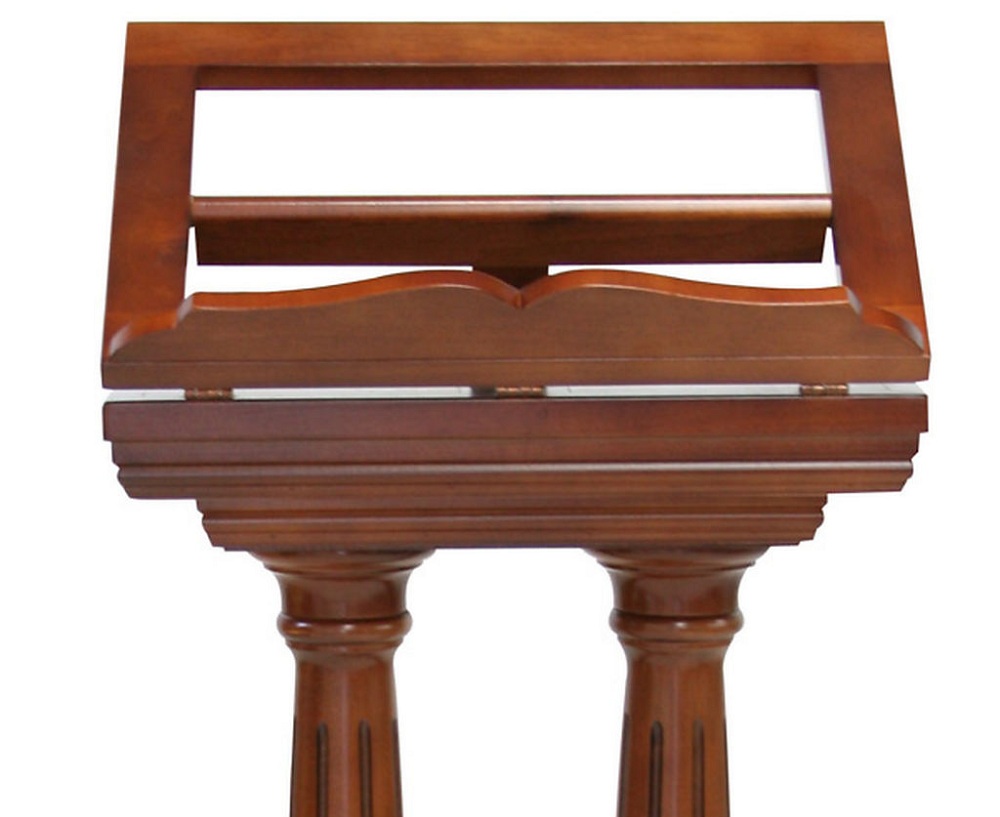
Lecterns are an essential church supplies. Usually the lectern is placed before the altar, on the presbytery. Its name derives from the greek λογειον, loghĕion, “pulpit” from which it differs in some features. While the pulpit is for the preaching, the lectern serves as a support…

Liturgical chasubles

Liturgical chasubles

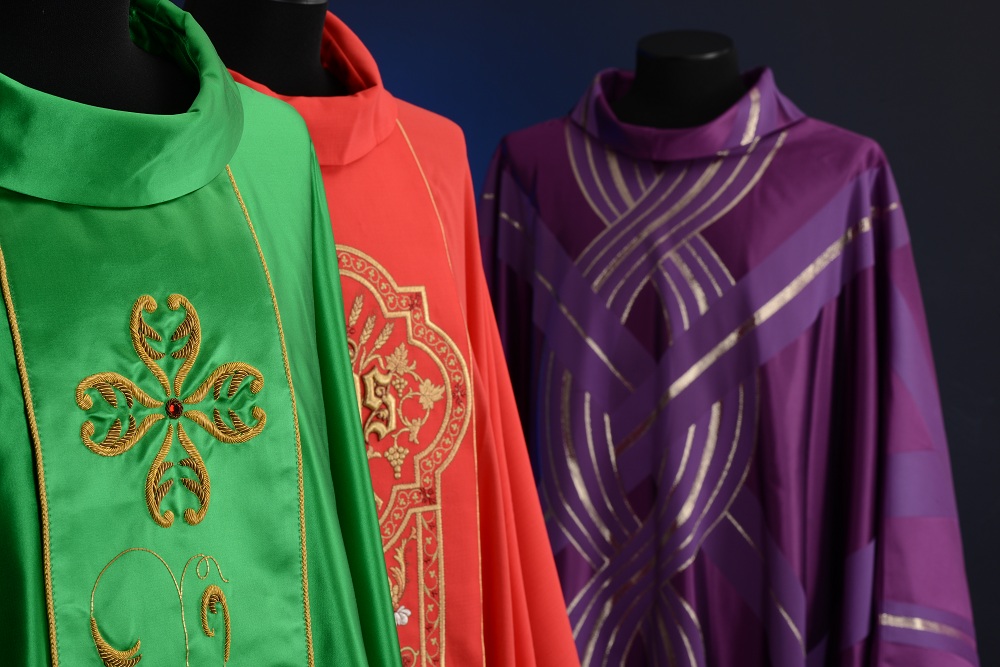
Liturgical chasubles are what the priest wears during the celebration of Holy Mass. It is one of the most important sacred vestments and its use is linked to a specific coding and specific rules.

Liturgical chasubles can be of various shapes. It should be worn over the amice, the alb, the cincture and the stole. The Bishop must also wear the dalmatic under the chasuble.

The name chasuble comes from ‘small house’, because originally the robe completely enveloped the figure of the celebrant, covering it up to the wrists and to the shins.

Over the centuries, the liturgical chasuble has evolved more formal, with arms covered or uncovered, stiff fabrics, wider cuts. In general, given its importance, it has always been adorned with sacred images and rich embroideries.

The colors of the liturgical chasubles vary according to the liturgical season and the ongoing celebration: the chasuble can be white, red, purple, green, pink, black and gold.

White chasuble: solemn celebrations (i.e. Easter, Christmas …) and the most important sacraments (baptism, marriage, ordination, first communion). The white chasuble is a symbol of faith, purity and joy, commemorates the resurrection of Christ.
Red chasuble: used at funerals, martyrs holidays, Good Friday, Palm Sunday, and Pentecost. The red symbolizes the Holy Spirit and the blood of Christ.
Purple chasuble: used for Lent and Advent, its color refers to repentance. It is also used for funerals and memorial services.
Green chasuble: routinely used, refer to the color of hope.
Pink chasuble: used rarely, only on special occasions.
Black chasuble: optional, replaced with the purple chasuble for occasions of mourning.
Gold chasuble: used for ceremonial occasions and for larger parties, requiring maximum royalty.

Metal reliquaries

Metal reliquaries

The metal reliquaries are containers made of different materials and with the most varied forms, designed to contain and preserve the mortal remains of the saints, or what remains of them, like fragments of bones or other body parts. The word “reliquary” comes from the…

Our Lady of Lourdes

Our Lady of Lourdes

With the Our Lady of Lourdes epithet, Catholic refer to Mary, mother of Jesus, who in 1858 appeared eighteen times to Bernadette Soubirous, a fourteen year old peasant who lived in the French town of Lourdes. The girl claimed to have seen a “beautiful Lady”…

The medal of St. Benedict

The medal of St. Benedict

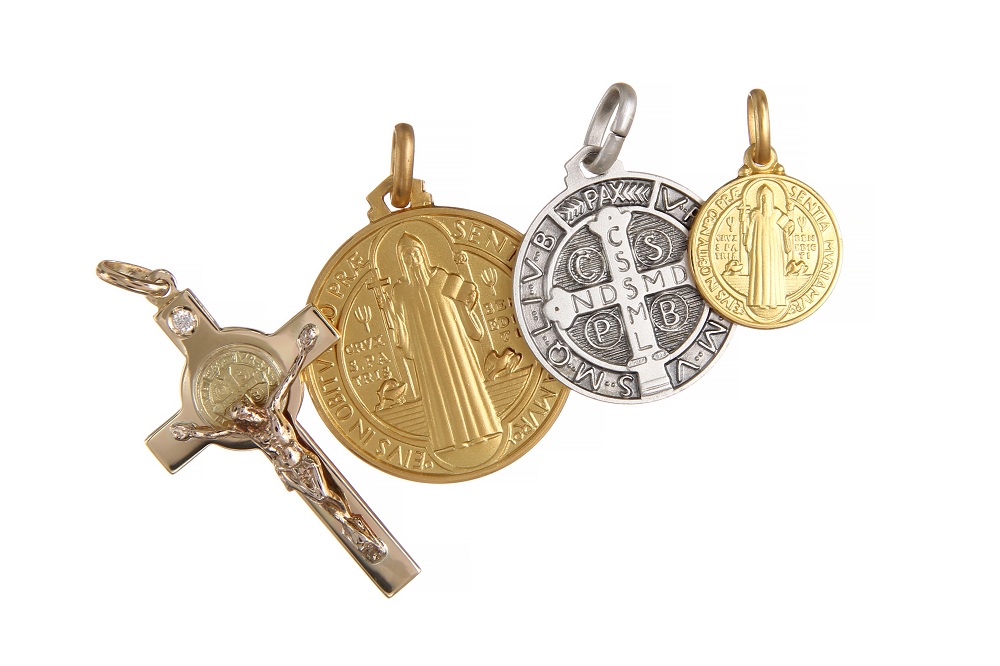
The medal of St. Benedict is a widespread sacred symbol among the Catholics. It reminds the faithfuls who wear it, the constant presence of God and his protection.
On one side of the St. Benedict medal, a cross is depicted on which the Benedictine order’s motto: “Pax” (Peace) is engraved.

The cross is surrounded by a circle of letters that are the initials of words that compose one of the protection and exorcism prayers from evil, considered one of the most powerful and efficient ones ever.

C.S.P.B. = Crux Sancti Patris Benedicti (Cross of the Holy Father Benedict)
C.S.S.M.L. = Crux Sacra Sit Mihi Lux (Holy Cross be my light)
N.D.S.M.D. = Non Draco Sit Mihi Dux (the devil is not my leader)
V.R.S. = Vade Retro, Satan! (Move away, Satan!)
N.S.M.V. = Numquam Suade Mihi Vana (Do not attract me to the vanities)
S.M.Q.L. = Sunt Mala Quae Libas (ills are your drinks)
I.V.B. = Ipse Venena Bibas (drink yourself your poison)

On the other side of the medal of St. Benedict it is depicted the Saint in monastic robes, holding the Cross in his right hand and in his left an open book, the Benedictine Rule. The figure of the Saint is surrounded by other protection words, linked to some episodes of his life.

The medal of St. Benedict was approved in 1742 by Pope Benedict XIV, in order to meet the increasingly enormous devotion to the Saint and this powerful symbol. The Pope granted the medal and the crucifix in which it was set (the “Crucifix of Good Death”) a plenary indulgence.

For this reason, the medal of St. Benedict is still considered one of the most powerful sacred objects of the Church, especially on deathbed.
St. Benedict Medal is usually consecrated by a priest belonging to the Benedictine order.

The medal of St. Benedict would provide to anyone who carries it and trusts in it:

– Protection against evil and other evil works;
– Removal of the evil-minded;
– Sick animals care or affected by the evil eye;
– Protection against temptations, illusions and harassment of devil, especially against chastity;
– Conversion, particularly when you are in danger of death;
– Antidote against poison;
– Health in the case of gallstones, pain in the hips, bleeding, hemoptysis, bites of contagious animal;
– Aid to Mothers Against Abortion;
– Safety from lightning and storms.