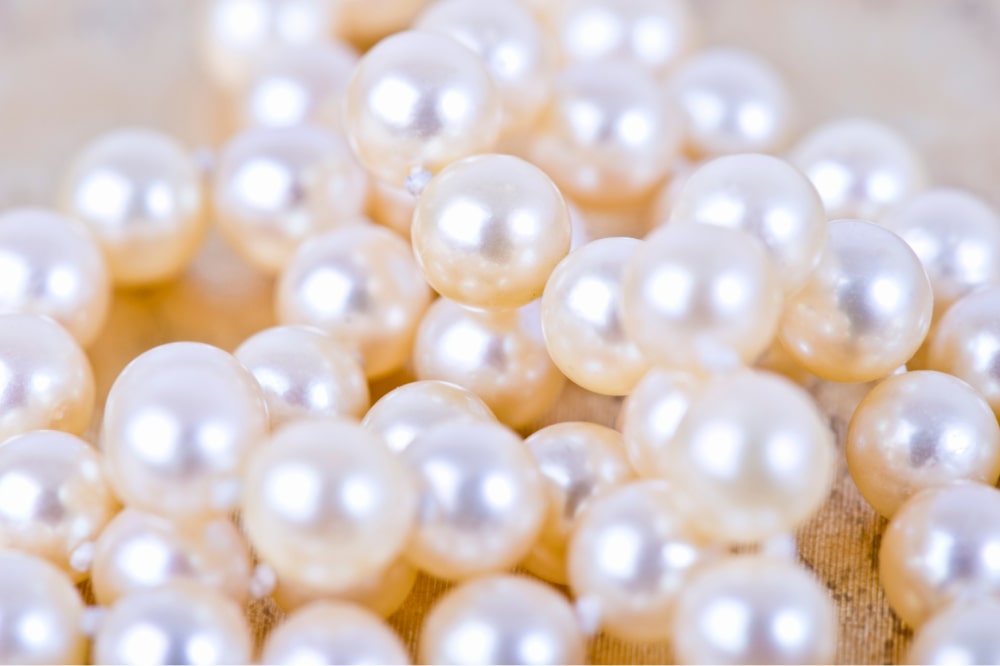
Pearls are fascinating, timeless jewels that have captured the imagination for centuries. These natural gems are a true masterpiece of nature, representing a symbol of beauty and sophistication. It may not be widely known that, besides saltwater pearls, there are also freshwater pearls. As their name suggests, freshwater pearls are cultivated in rivers and lakes, unlike saltwater pearls which come from the ocean and form inside oysters. These pearls originate primarily from certain types of freshwater molluscs, including various species of freshwater and pond mussels.
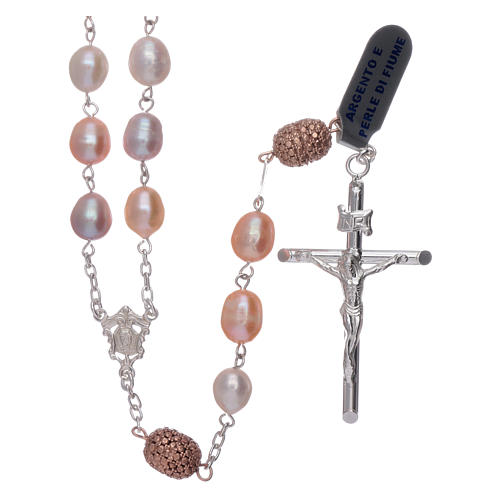
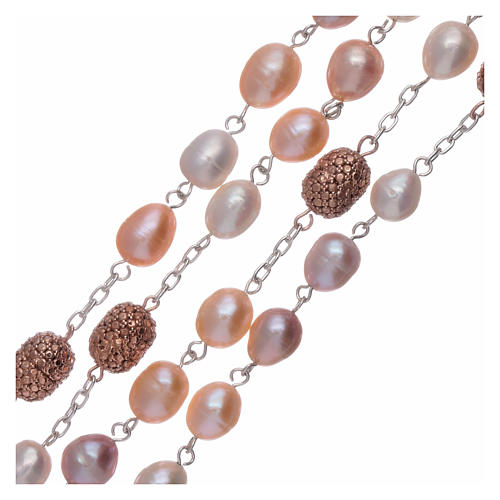
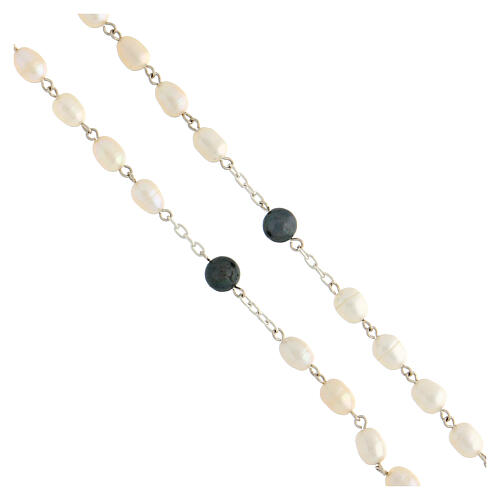
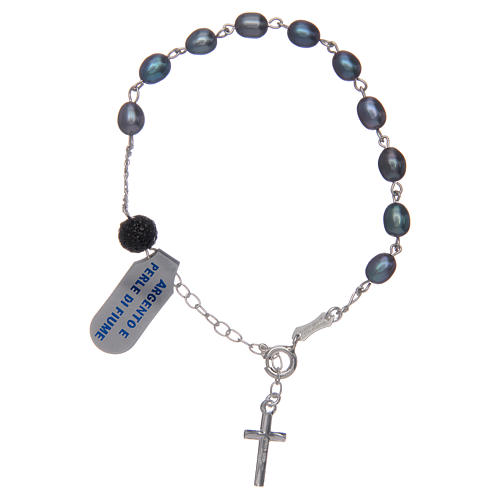
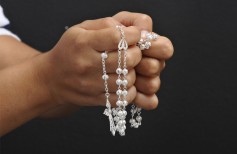
Rosary pink freshwater pearl brown hematite 925 silver.
As with saltwater pearls, the formation process of a freshwater pearl begins when a foreign body, such as a tiny grain of sand or a parasite, enters the mollusc. To protect itself from this irritation, the mollusc begins to secrete layers of nacre (mother-of-pearl), a calcareous substance. Over time, the mollusc continues to secrete layer upon layer of nacre around the foreign body, thus forming a pearl.
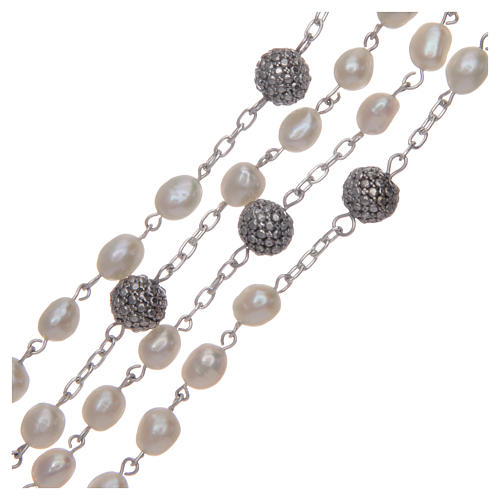
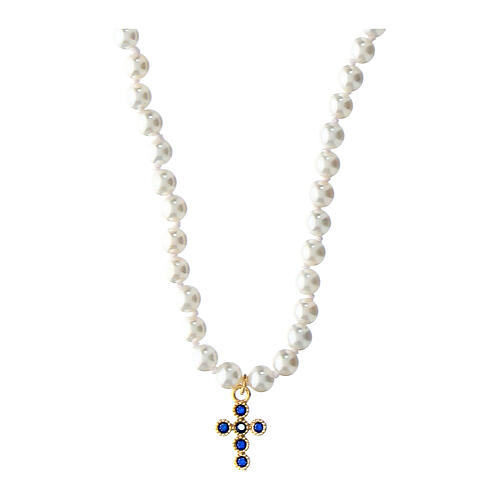
Amen double necklace tree of life mother of pearl zircon.
Characteristics of freshwater pearls
Freshwater pearls are known for their variety of colours and shapes. While many marine pearls are generally white or tinted in pastel shades, freshwater ones can be white, pink, lilac, yellow, orange, or even brown. Their shape can vary from round to oval, baroque, or even potato-shaped. Many irregular freshwater pearls exist, and these are often highly prized. This diversity makes them unique and fascinating for collectors and jewellery lovers. Indeed, it is precisely this variety of colours and shapes, combined with their natural beauty, that makes them an excellent choice for those seeking both classic and modern jewellery.
Their lustre makes them highly valued in jewellery making. The stunning luminous effect is the result of light reflecting between the numerous layers of nacre that make up the pearl’s surface.
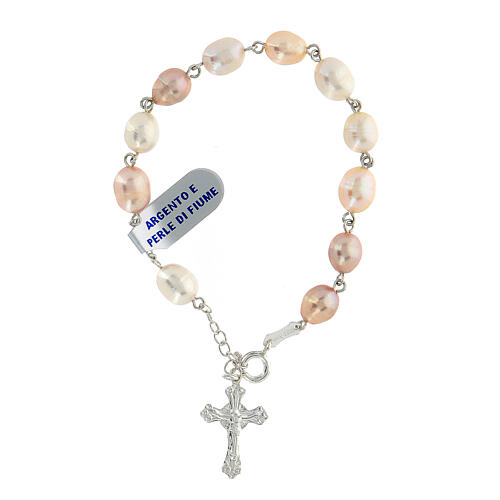
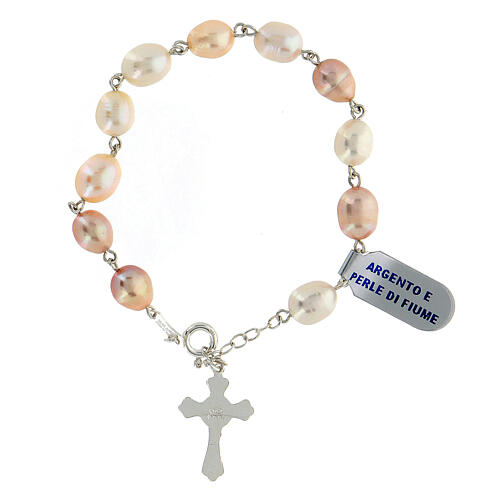
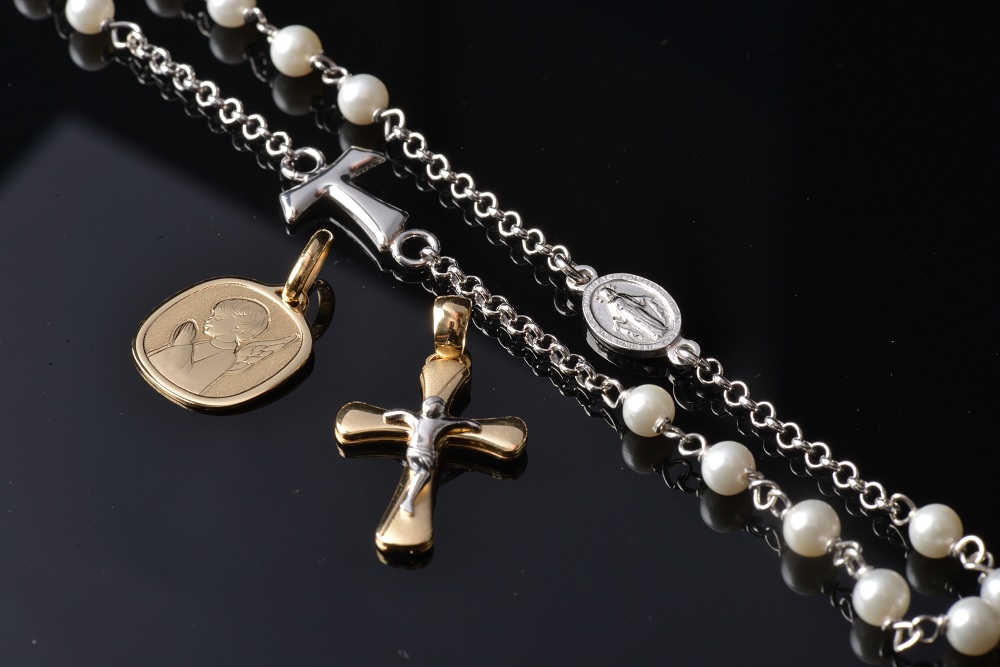
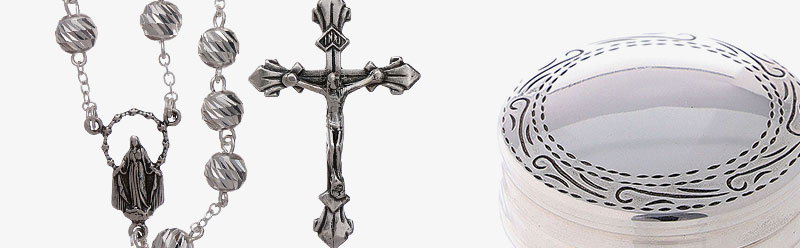
Miraculous medal rosary 8 mm baroque freshwater pearl.
The value of a freshwater pearl depends on several factors, including its size, shape, colour, lustre, and overall quality. Larger freshwater pearls with specific shapes, such as perfectly round or oval ones, are often more precious. Colour and lustre also significantly influence the value; pearls with vivid colours and a smooth, brilliant surface are generally the most desired. Other aspects affecting the value of freshwater pearls include their geographical origin and the quality of the craftsmanship. Certain regions, such as the Mississippi River in the United States and the Yangtze River in China, are renowned for their high-quality freshwater pearls.
Uses of freshwater pearls
Freshwater pearls are used in jewellerysuch as earrings, necklaces, bracelets, and rings. Their beauty and versatility make them a popular choice for high-class jewellery as well. Freshwater pearls can be worn on special occasions like weddings and formal events, or they can add a touch of elegance to everyday looks. Specifically, freshwater pearls are often chosen as wedding jewellery because their soft colour nuances and classic appearance make them suitable for complementing bridal and evening gowns. However, a pearl necklace can add a touch of sophistication even to a casual look, and pearl earrings are a classic accessory for everyday wear. A beautiful pearl rosary can be an elegant and refined gift idea, or a meaningful item to keep for oneself for daily use.
Discover our refined collection of catholic jewelry, unique and precious creations crafted in gold, silver, and steel.
Beyond their use in jewellery, freshwater pearls have historically been used in various traditional remediesandritual ceremonies across many cultures, where they are considered symbols of purity, longevity, and prosperity. They may also be worn as amulets or talismans for protection and luck, as they are believed to possess beneficial powers and the ability to ward off negative energies.
In many cultures, freshwater pearls are incorporated into wedding dresses or jewellery worn during marriage ceremonies. The pearls represent the purity of the bride and symbolise love and harmony in the new married life.
In other cultures, young girls are presented to society in initiation ceremonies, and pearls may be part of their traditional attire or the jewellery worn on these special occasions. Elsewhere, they are used in funeral ceremonies as a symbol of respect and to assist the deceased in their transition to the afterlife.
Freshwater pearls can also be items for collectors. Rare or high-quality pearls can hold high value for collectors of gems and antique jewellery.
Pearl Jewellery
On our website, you can find a selection of pearl jewellery, including necklaces and bracelets where the timeless elegance of pearls joins the world of faith to create unique religious jewellery. Choose your style and let yourself be inspired by the grace and fine elegance of pearls.
Freshwater pearl necklaces
Sterling silver rosary made with oval freshwater pearl beads, 7mm Buy on Holyart
Rosary in 925 silver with 8 mm oval freshwater pearls and two-sided centerpiece image Buy on Holyart
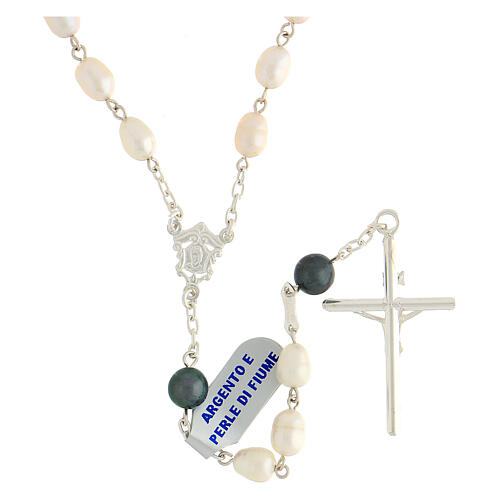
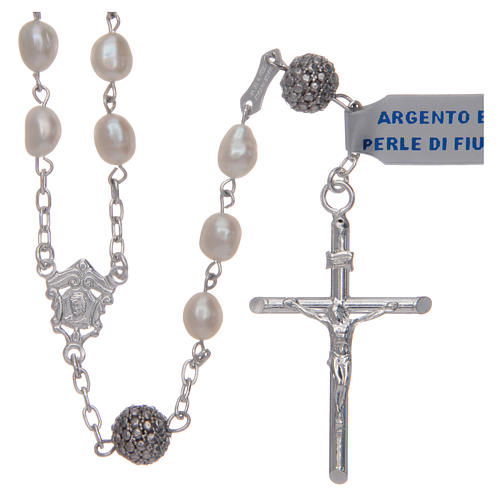
Rosary in 925 sterling silver with white oval river pearls Buy on Holyart
Freshwater pearl bracelets
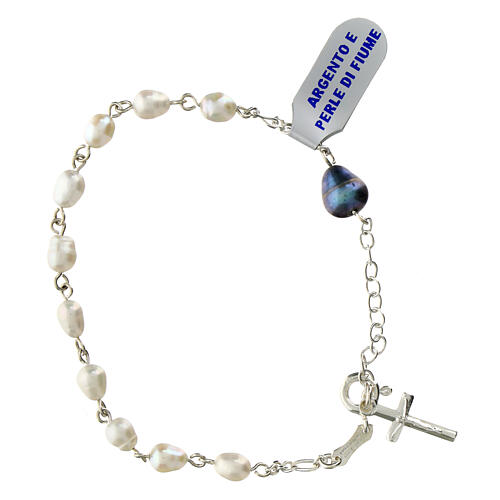
Bracelet with freshwater pearls and 925 silver cross Buy on Holyart
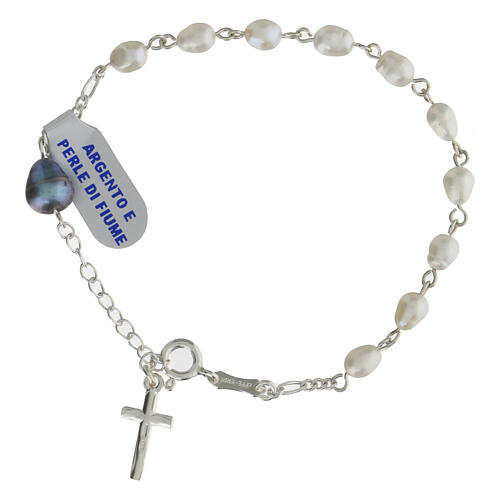
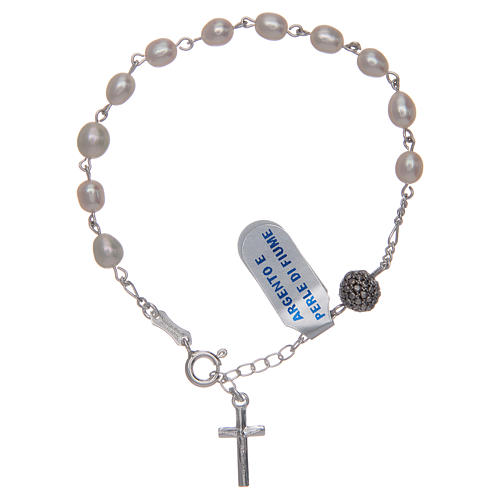
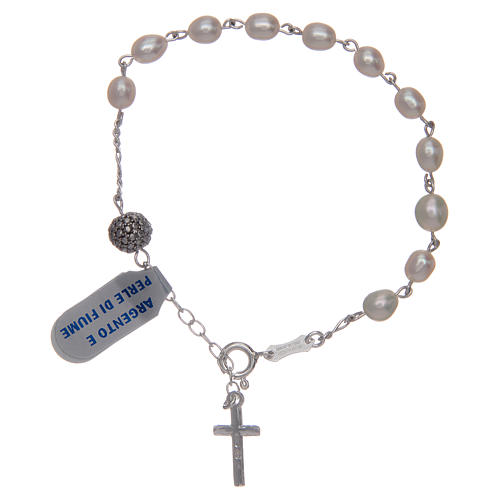
Bracelet 925 sterling silver with white river pearls Buy on Holyart
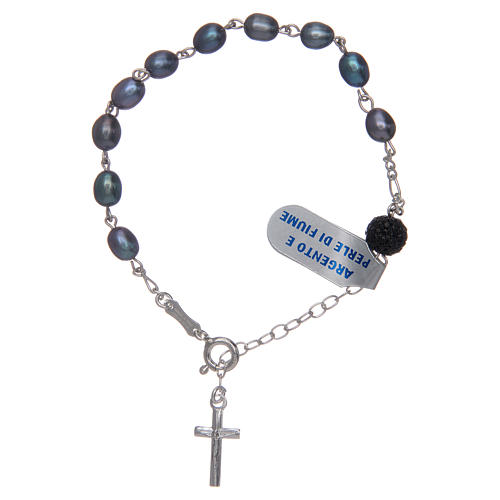
Bracelet in 925 sterling silver with purple river pearls Buy on Holyart
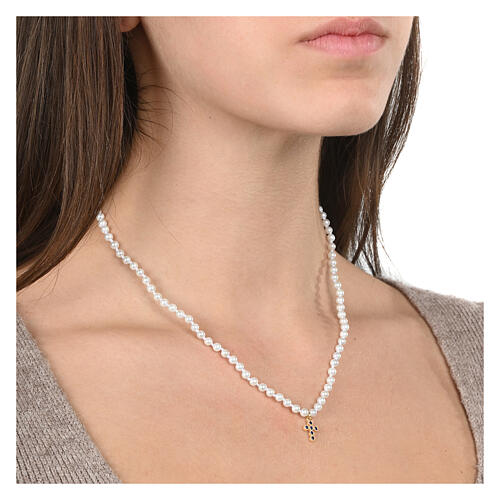
Benedictus necklace of white pearls, cross with blue rhinestones Buy on Holyart
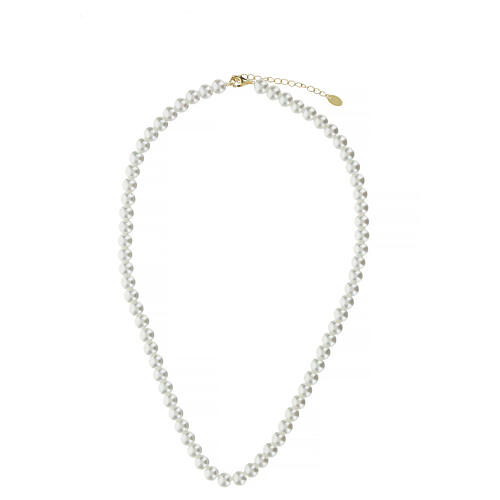
Amen pearl necklace, 925 silver and 6 mm pearls Buy on Holyart
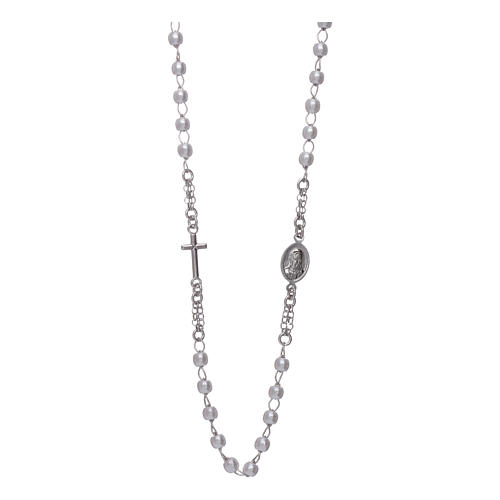
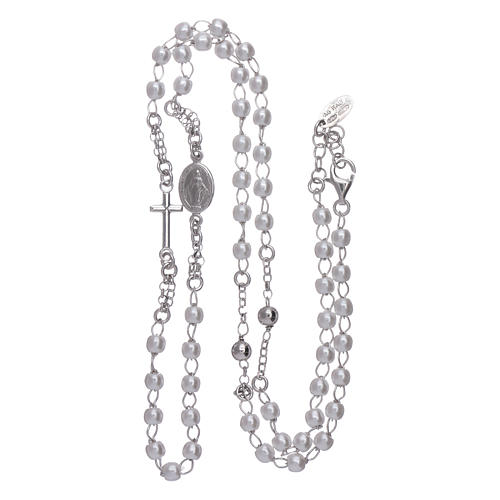
Rosary AMEN Necklace in 925 sterling silver with rhodium finish and white beads Buy on Holyart
How to clean freshwater pearls and keep them for a long time
To keep freshwater pearls in optimal condition, it is important to care for them properly, avoid exposing them to harsh chemicals, and protect them from scratches and impacts. Freshwater pearls should be stored separately from other jewellery specifically to avoid the risk of scratching. It is also advisable to remove pearls before applying creams or perfumes, as these products can damage the surface.
Cosmetics and essential oils. In this department you will find natural shampoos…
Cleaning freshwater pearls requires attention and gentleness to preserve their beauty and lustre. Pearls are delicate gems and can be damaged if exposed to harsh chemicals or handled incorrectly. Even ultrasonic systems or steam cleaning devices could ruin them.
To clean them safely, you will need a soft, clean cloth and distilled water. Neutral pearl cleaners exist, but their use is optional. Before starting the cleaning process, ensure you remove any dirt or sweat from the surface of the pearls. You can do this simply by wiping the soft, clean cloth over the spheres.
You can then use distilled water, possibly mixing it with a few drops of pearl cleaner or neutral soap, provided it is free from abrasive substances or harsh chemicals. Gently wipe the damp cloth over the pearls, avoiding direct contact of the water with the thread or cord holding the pearls together (if it is a necklace or bracelet), as this could weaken it. With a second dry cloth, pat the pearls to remove all water residue. Allow them to air-dry completely before putting them away.
If the pearls are strung on a thread, periodically check that it has not become frayed or damaged.
The fragrances of Padre Pio represent just one of the most evocative aspects of the veneration surrounding this unique Saint....
26 August 2026
What’s the Future of Religion?
What’s the Future of Religion?
A Beginner’s Guide to Christianity
A Beginner’s Guide to Christianity
Mind-Blowing Statistics About Christianity You Need to Know
Mind-Blowing Statistics About Christianity You Need to Know
9158
Enter the Holyart world: $20 discount voucher valid on over 60,000 items
Come and discover Holyart, the largest e-commerce of religious articles in Europe and immediately receive a $20 voucher to use with your first purchase.
Check your mailbox: you will receive your discount within 5 minutes