Homepage | Religion | The Sacrament of First Confession: what it is and how it takes place
The Sacrament of First Confession: what it is and how it takes place
20 April 2026
Reading Time: 6minutes
First Confession is a fundamental moment for the spiritual growth of a child, because it teaches him the concept of Repentance and divine forgiveness and prepares him to welcome First Communion with a pure and joyful soul
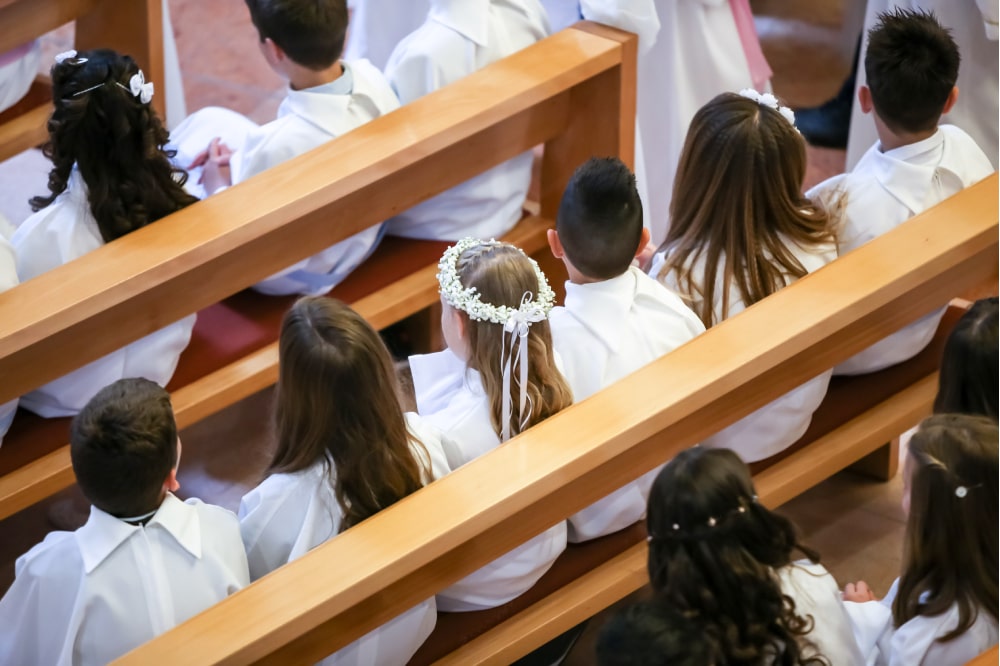
As spring approaches, and with it Holy Easter, we enter the time of year when First Communions are most frequently celebrated. First Communion represents a significant and precious moment in the life of a young Christian. Together with Baptismand Confirmation, it forms the core of initiation into the Christian life. It is a fundamental Sacrament that marks the moment when the child, for the first time, can participate in the Holy Eucharist and receive the Body of Our Lord Jesus during Mass, under the guidance and blessing of the priest. This solemn moment is celebrated with joy and devotion, as the child becomes an active part of the ecclesial community and experiences in a tangible way the living presence of Christ in the Sacrament of the Eucharist. From this moment, the child is committed to living in communion with Jesus and to growing in his relationship with God and with the Church. But there can be no First Communion without the young Christian also having had the First Confession.
Thus, while parents must take careto organise better First Communion, which, without falling into excessive worldliness, must nevertheless be celebrated as a special day, it is necessary that they also take care, with the help of catechists and priests, of the preparation for Confession for the young faithful.
This department is entirely dedicated to the Holy First Communion ; you will find many gifts ideas, favours and jewels…
What is the First Confession
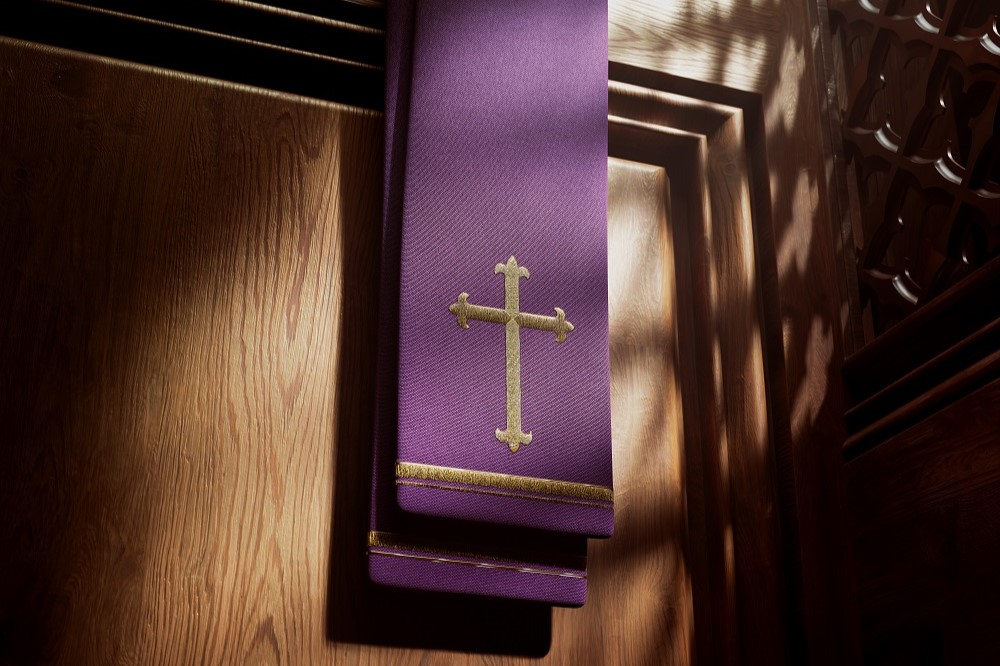
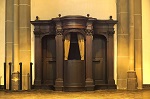
The Sacrament of Reconciliation, also known as Confession or Penance, is one of the Seven Sacraments of the Catholic Church. It requires the penitent to have reflected on their sins, confess them sincerely, and repent of having committed them. The priest, acting in the person of Christ and by virtue of the power conferred on him by the Church, hears Confession, advises the penitent and imparts Absolution, pronouncing the words of forgiveness and reconciliation.
Confession is the name by which the first part of the Sacrament is defined, the one in which the faithful declares his sins, followed by the Penance inflicted by the priest who hears him and finally the most precious moment, Reconciliation with God and with the ecclesial community.
To understand the importance of Religious Confession, it is necessary to think that, in ancient times, exclusion from the religious community because of one’s sins was considered the worst misfortune that could happen to a Christian. It was not only a question of not being able to participate in the Eucharist, but the sinner had to live as a penitent, undergoing fasting, mortifications, and waiting for the approval of the Bishop to be welcomed back into the Church. Subsequently, the condition of the sinner became less burdensome, that of the simple priest replaced the figure of the Bishop, and penances became less severe.
The First Confession usually slightly precedes the First Communion and is inserted into a liturgical context, often during a penitential celebration or a mass. This moment marks an essential step in the spiritual growth of the child, as it offers themthe opportunity to understand the value of divineforgiveness and to prepare themselves to welcome Jesus worthily in the Sacrament of the Eucharist.
Before facing the First Confession, the child participates in a path of catechetical preparation, in the course of which they are instructed on the nature of sin, on the importance of repentance and on how to confess their sins.
They are also encouraged to reflect on their mistakes and on the actions that may have hurt God or the people around them, through a guided examination of conscience. It is explained to them how important it is to review every night what is good and what is less good during the day, to reflect on one’s mistakes and on the possibility of improving, and then to address a prayer of repentance to God and to fall asleep with a clear conscience. This daily practice helps children develop the habit of examining their conscience and recognising the importance of sincere repentance, to become more aware of receiving the Sacrament of Penance.
The First Confession explained to children.
In addition to catechists, parents play a fundamental role in preparing children for the First Confession. In fact, it is they who must teach discernment between what is right and what is wrong, guiding them along the path of virtue and respect for others. They must explain that, despite the failures, mistakes, and sins we may commit, God the Father is always present, ready to forgive us and welcome us back into His merciful love. This teaching not only helps children develop a strong, sensitive moral conscience but also helps them understand the value of forgiveness and mercy in life and in their relationships with others. First Confession is an essential moment for the child, because it can help them feel better inside and understand how good it is to be forgiven and have the chance to start over. Woe to instil in him feelings of guilt or fear that God is too severe and judgmental!
Read more:
How to explain Confession to your child
It isn’t easy to explain what a Confession is to a child. It isn’t easy because it isn’t easy to explain what the concept of Sin is…
One way to explain the First Confession to a child can be this:
First Confession is a special time when you can talk to a priest (better to use the name of the priest whom we know will receive confessions, if the child already knows him) about your thoughts and actions, especially if you have done something you know to be wrong or that makes you feel sad or sorry. You can confess what you did wrong and how much you want to ask God for forgiveness. The priest will listen to you as you recount your sins, but you don’t have to worry about his judgment, because he is there to help and forgive you. It will be a bit like confiding directly to Jesus, who is your friend and loves you, no matter what you do. After you speak, the priest will give you advice and tell you that God always loves you and is ready to forgive you. He will also ask you to do a small gesture of penance to show that you want to change and do better in the future. Perhaps he will ask you to say a special prayer, to show that you are repentant. Then he will give you absolution, meaning God forgives you and welcomes you back with love. It’s like having a big hug from God, which makes you feel light and happy. After the Absolution, you will be ready for First Communion, and you will be able to receive Jesus into your heart with great joy and purity.
Thoughts for the First Confession
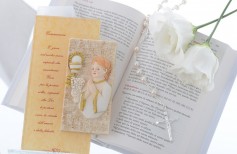
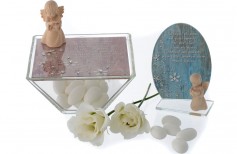
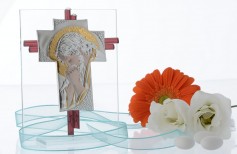
To understand the importance attributed to the very delicate moment of the First Confession, think that in many parishes, in addition to the classic gifts for First Communion, there is also a small gift for the First Confession, usually a symbolic object, such as a crucifix or a prayer book, and even the Favours for the First Confession. In our store, you will find valuable suggestions suitable for this occasion.
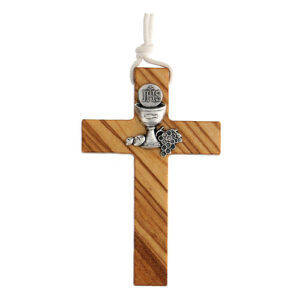
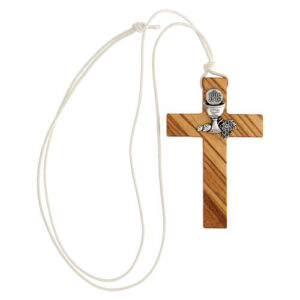
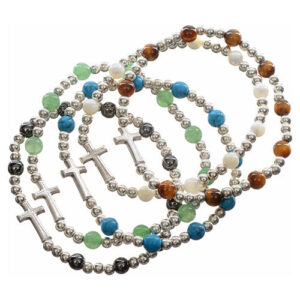
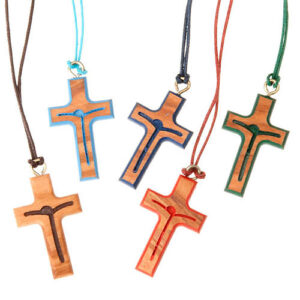
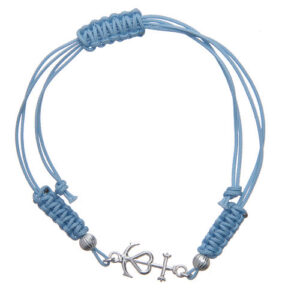
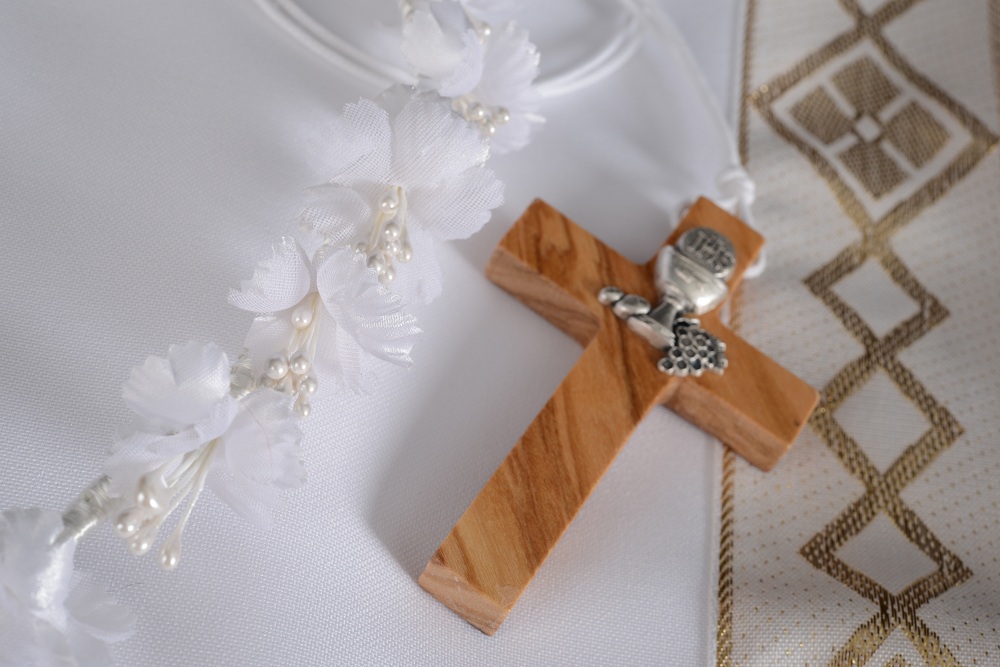
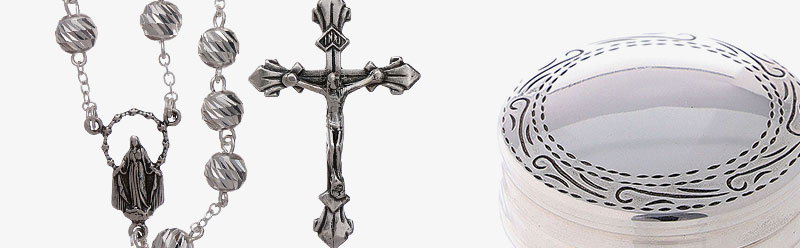
A cross or a small religious pendant can be a significant gift to remember the day of the First Confession and encourage the child to keep his faith alive, as well as a braceletwith grains, also to be used as a Rosary. Alternatively, an age-appropriate prayer book can be a helpful gift and source of inspiration as your child grows spiritually. It is crucial to choose a gift that reflects the child’s personality and interests and celebrates their religious commitment.
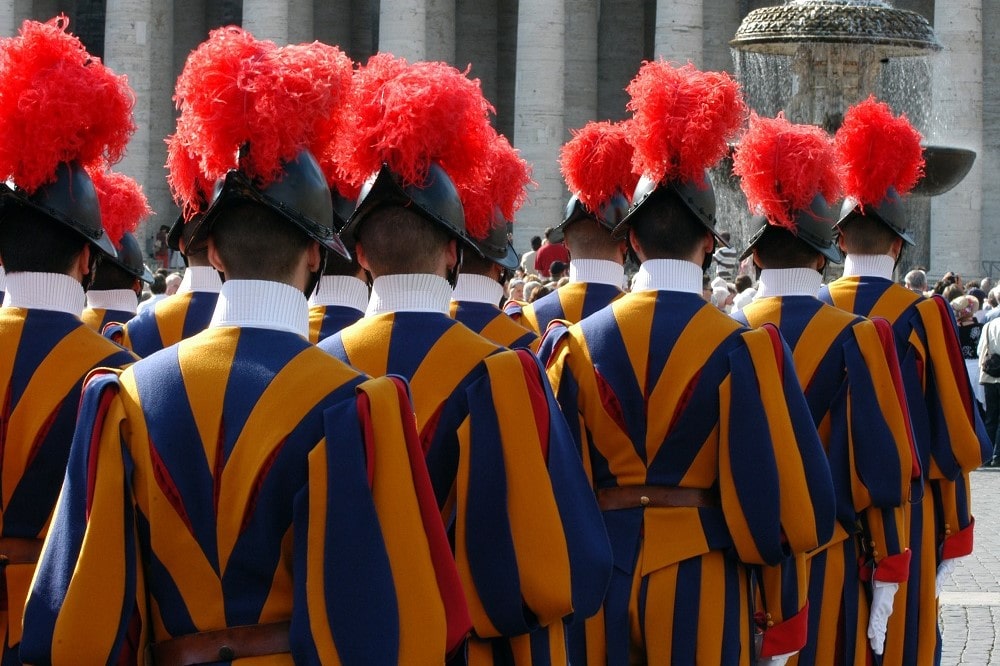
For five hundred years, the Swiss Guards have protected the Pope's security and watched over the Vatican. Here is who...
What’s the Future of Religion?
What’s the Future of Religion?
A Beginner’s Guide to Christianity
A Beginner’s Guide to Christianity
Mind-Blowing Statistics About Christianity You Need to Know
Mind-Blowing Statistics About Christianity You Need to Know
8077
Enter the Holyart world: $20 discount voucher valid on over 60,000 items
Come and discover Holyart, the largest e-commerce of religious articles in Europe and immediately receive a $20 voucher to use with your first purchase.
Check your mailbox: you will receive your discount within 5 minutes




 7 October 2026