Saint Francesco Antonio Fasani, the Saint to Invoke for Rain
18 May 2026
Reading Time: 6minutes
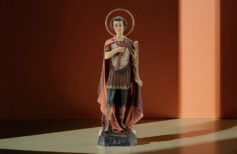
Saint Francesco Antonio Fasani, a theologian and a man of great heart and charity, is also remembered for several miracles related to water and rain. That’s why he is invoked in times of drought.
A saint to pray to for rain? It might sound like a strange image, not quite fitting for the figure of a saint… Yet, in these days of scorching heat and drought, it would be comforting to have someone to turn to for a bit of relief—and especially to bring some respite to the many crops suffering from the lack of water. That’s where Saint Francesco Antonio Fasani comes in, also known—after earning his degree in theology—as the “Padre Maestro” (Master Father). But who was this humble man, deeply devoted to the Immaculate Virgin Mary, to whom many miracles have been attributed, including, indeed, the power to call down rain?
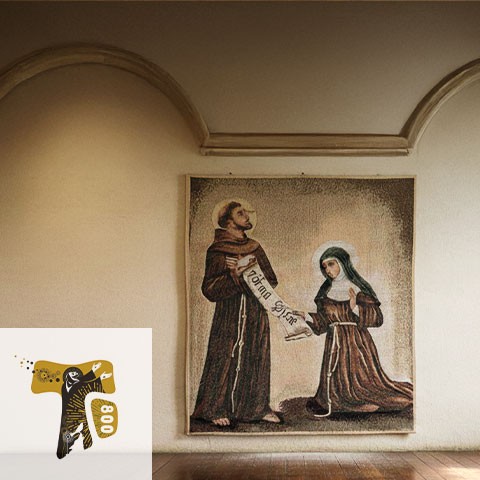
Saint Francesco Antonio Fasani was born in Lucera, in Puglia, in 1681, and spent most of his life there as a member of the Order ofConventual Franciscan Friars, eventually becoming the Superior of the monastery. It is said that on the day of his birth, a strange light enveloped the humble home of his family, making it clear from the beginning to his fellow citizens that this was no ordinary man. Gentle and mild by nature, Giovanniello (as he was called as a child) showed from a very young age a strong inclination toward religion, the monastic life, and especially devotion to the Immaculate Virgin Mary. Throughout his life, he was deeply committed to others—particularly the poor and needy. He studied theology in Assisi, but above all devoted himself to charitable works, such as soup kitchens for the poor and gathering money and goods for the unfortunate. He never hesitated to defend the weak against the powerful, even when doing so earned him enemies who tried repeatedly to discredit him. But with his humility and kindness, Saint Francesco always managed to prove his innocence and have his virtues recognized.
As for the miracle of rain—which made him one of the saints invoked in times of drought—it was just one of many miracles attributed to him, ultimately leading to his canonization, which was proclaimed by Pope John Paul II in 1986 after a lengthy process. One day, during a long drought that was devastating the crops in Lucera, the Padre Maestro approached Duke Orazio Zunica to ask for alms for the poor. The Duke and his wife promised that if he could bring rain to Lucera, they would make a generous donation to the needy. Saint Francesco agreed, returned to the monastery, and locked himself in prayer before the Tabernacle and the altar of the Immaculate Virgin. Those who saw him claimed that at one point, he levitated in a kind of mystical trance. That very night, the rain came and lasted for several days, saving the crops. The Duke kept his promise and openly declared his belief that this must truly be the saint of rain.
Another miracle involving water and attributed to Saint Francesco Antonio Fasani concerned a convent of nuns who could no longer provide water to the poor because their well had dried up. The Saint told one of the sisters to draw water—and she discovered that the well had been miraculously refilled. The same happened with the cistern at the convent of San Francesco, where the Saint lived. For these reasons, Saint Francesco Antonio Fasani is still prayed to today in times of drought to ask for rain.
The Basilica-Sanctuary of Saint Francesco Antonio Fasani
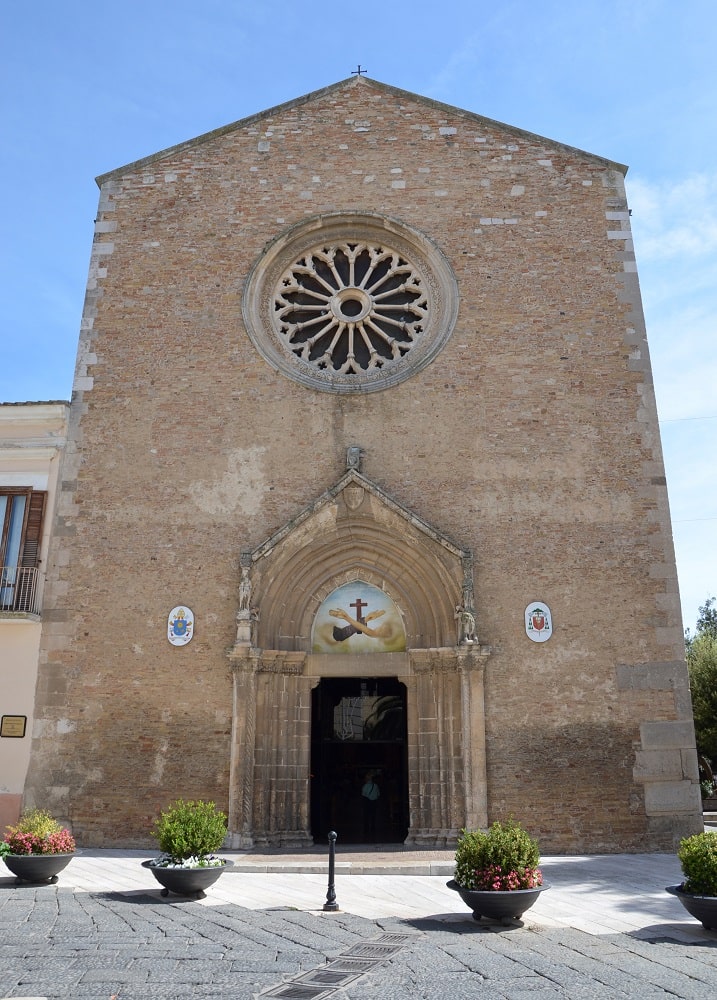
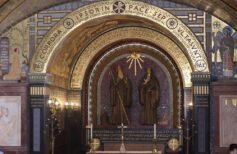
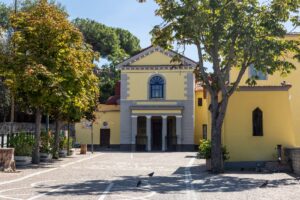
The Church of Saint Francis of Assisi in the main square of Lucera has always been one of the town’s most important places of worship. More than 15 years after Saint Francesco Antonio Fasani’s canonization, in 2001 the church was declared the Diocesan Sanctuary of Saint Francesco Antonio Fasani. But even before that, it was a destination for frequent pilgrimages by the faithful, who came to pray before the Saint’s wax-covered remains, displayed in a crystal and bronze case beneath the main altar. In fact, in 1951 Pope Pius XII had declared Saint Francesco Antonio blessed and had his remains transferred to the church. In 2008, the basilica was also designated a “Monument Witness to a Culture of Peace” by UNESCO. The house on Via Torretta where the Saint was born was converted into an oratory and is now visited by many pilgrims.
Devotion to the Immaculate Conception
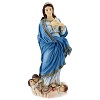
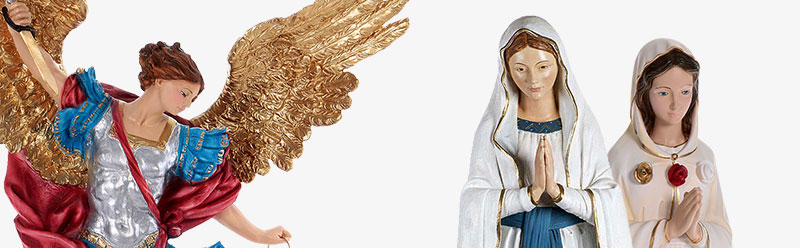
Saint Francesco Antonio Fasani was always deeply devoted to the Immaculate Virgin Mary. From childhood, he prayed the Rosary before an image of the Immaculate with his family, and as he grew older, his love for Mary in this form became so profound that he earned the nickname “Sinner of the Immaculate”—even though the Catholic dogma of the Immaculate Conception would not be proclaimed until much later, in 1854. It is said that it was the Virgin herself—whose holy cards he gave to children—who guided him in the many miraculous healings in which he took part. Today, in the Church of Saint Francis dedicated to him, there is a statue of the Immaculate that he had brought from Naples. He used to pray in front of it, and it is now the center of great devotion. The image of the Immaculate was also painted on the door of his cell, and to her Saint Francesco dedicated prayers and songs, including:
“…Among all pure creatures, you, Mary, are the most perfect; you alone are called blessed among women: O Immaculate Conception. Let everyone say she is to be praised, the Queen of Heaven, the Immaculate!”
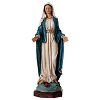
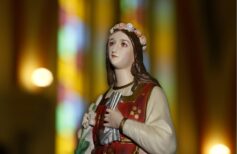
The statue represents Mother Mary in a white dress and a blue cloak
Patron Saints for Rain
Saint Francesco Antonio Fasani is not the only saint to be invoked in times of drought. Just as in ancient times people turned to the gods for help in everyday life, so too with the spread of Christianity did popular devotion turn to the saints, who became patrons and protectors of various aspects of life and work. There is no shortage of saints associated with climatic events, to be called upon for protection for oneself and one’s crops, in times of drought, floods, or hail. Let’s take a look at some of them:
Saint Gemolo
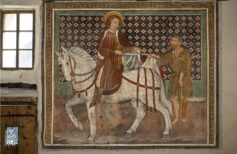
On February 4, the Church celebrates Saint Gemolo, a martyr who lived around the year 1000. According to legend, he was the nephew of a bishop and went to confront some bandits who had robbed his uncle, demanding the return of the stolen goods in the name of God and the Apostles Peter and Paul. The bandits refused, and when they asked if he would be willing to die in the name of those same saints, he said yes—so they beheaded him. Gemolo then picked up his own head, got back on his horse, and returned to his uncle, dying in his arms. At the place where he died, a spring appeared, scattered with small red stones believed to be drops of the young martyr’s blood. In the 14th century, an oratory was built nearby in his honor, and another spring emerged. From that moment, pilgrims associated Gemolo with rain, and in the centuries that followed, people came from Piedmont and Lombardy to collect water from his spring and sprinkle it over their fields to protect their crops from drought.
Saint Anthony
One day, Saint Anthony of Padua was preaching in Limoges, France, outdoors, as the huge crowd of faithful could not be accommodated indoors. Suddenly the sky filled with rain clouds, but the Saint assured the people that it would not rain. Rain did fall—but miraculously, the crowd gathered to hear Saint Anthony remained dry.
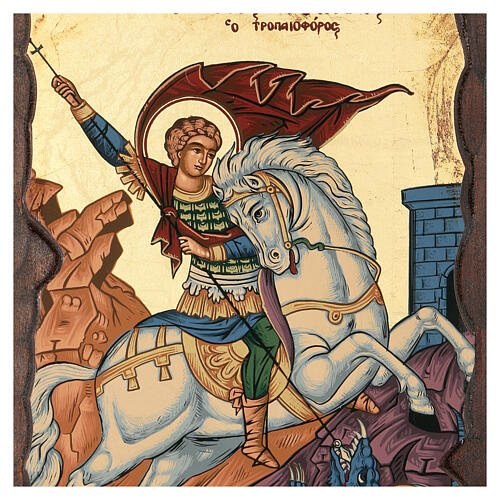
Saint Cristanziano, Saint Vittorio of Caesarea, Saint Lucio of Cavargna, and Saint Dominic of Sora are just a few of the saints to invoke in case of hail. But Saint George—prince of Cappadocia, martyr, and patron of knights—is especially associated with hail because his feast day falls at the end of April, a month known for unstable weather. He is thus known as the Saint of Hail or the Knight of the Cold.
Saint James
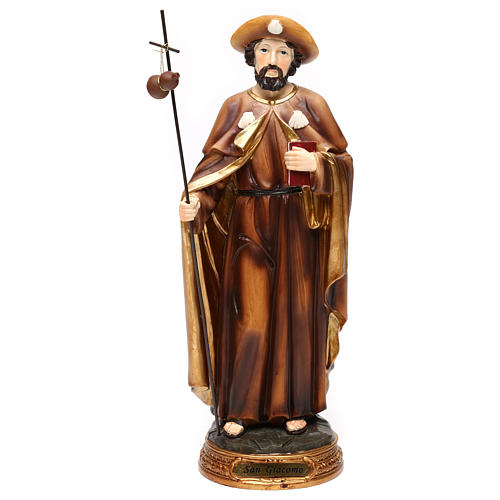
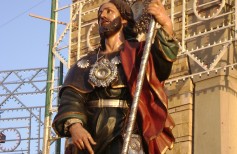
When the heat is unbearable in July, prayers are said to Saint James, whose feast day falls on July 25. The hottest days, from July 22 to August 23, are called the “dog days” from the Latin canicula, “little dog,” a nickname for the star Sirius.
Saint Sabina
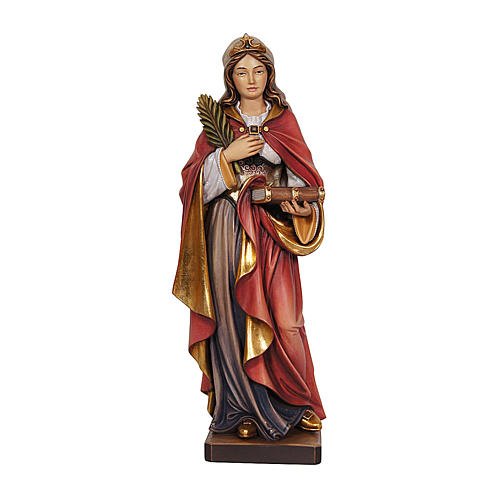
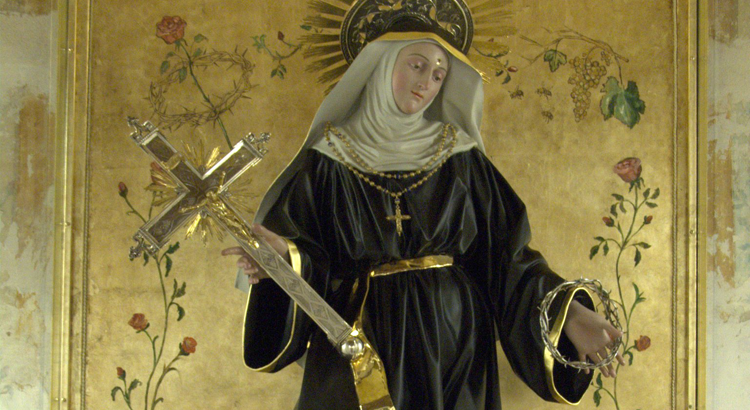
A Christian martyr of the 2nd century, Saint Sabina is prayed to both as a protector against violent rain and as an intercessor in times of drought. Her feast day is August 29.
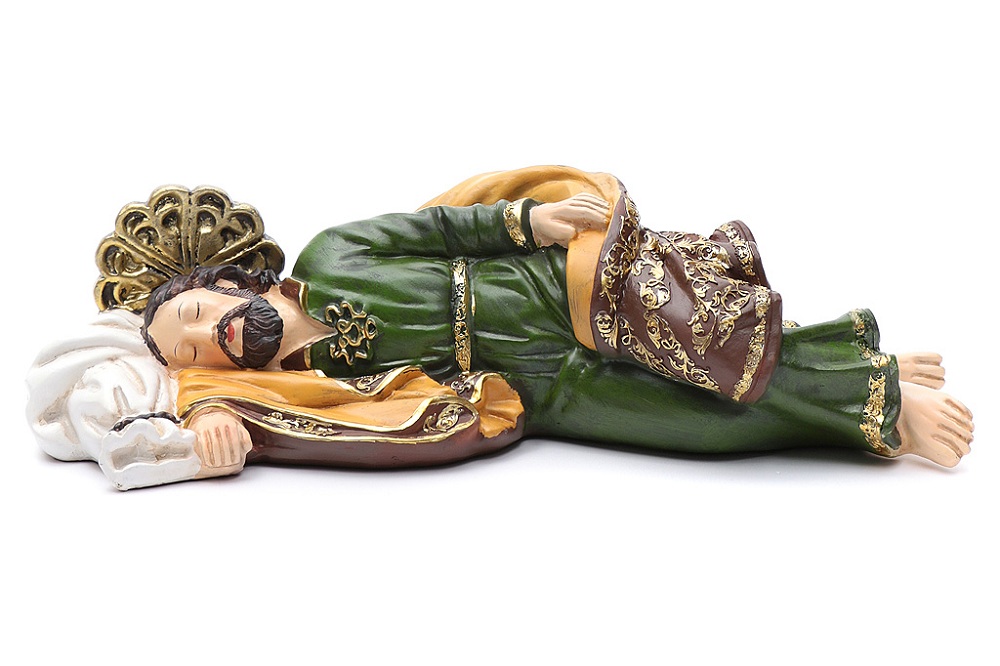
Saint James Apostle Statue, 30 cm in colored resin Buy on Holyart
https://www.holyart.com/religious-items/statues/hand-painted-wooden-statues/saint-sabina-with-palm-and-book-in-painted-maple-wood-of-valgardena Buy on Holyart
The fragrances of Padre Pio represent just one of the most evocative aspects of the veneration surrounding this unique Saint....
26 August 2026
What’s the Future of Religion?
What’s the Future of Religion?
A Beginner’s Guide to Christianity
A Beginner’s Guide to Christianity
Mind-Blowing Statistics About Christianity You Need to Know
Mind-Blowing Statistics About Christianity You Need to Know
9145
Enter the Holyart world: $20 discount voucher valid on over 60,000 items
Come and discover Holyart, the largest e-commerce of religious articles in Europe and immediately receive a $20 voucher to use with your first purchase.
Check your mailbox: you will receive your discount within 5 minutes